


Types of off-road vehicle mods for electric bikes
Choosing the right types of off-road vehicle mods for an electric bike like a Surron or Talaria is genuinely harder than it looks. These platforms are light, torquey, and battery-dependent, which means modifications that work well on gas-powered machines don’t always translate directly. The wrong upgrade can kill the nimble feel that makes these bikes so fun, or worse, create compatibility problems that stress your motor and controller. This guide walks you through every major mod category, what each one actually does, and how to sequence your build for maximum performance without sacrificing reliability.
Table of Contents
- How to evaluate types of off-road vehicle mods for electric bikes
- Suspension upgrades: balancing articulation, control, and comfort
- Tires and wheels: traction, durability, and custom sizing
- Protection mods: skid plates, rock sliders, and recovery gear
- Battery and controller upgrades for peak electric performance
- Comparing off-road mods: which ones fit your riding style?
- Why the highest mods aren’t always best for electric off-road bikes
- Explore premium off-road mods for Surron and Talaria at Revline Mods
- Frequently asked questions
Key Takeaways
| Point | Details |
|---|---|
| Assess before upgrades | Evaluating your electric bike’s current setup and primary use case helps identify mod priorities. |
| Balance suspension mods | Choose suspension lifts and shocks that improve articulation without compromising comfort. |
| Tires impact traction most | Upgrading to proper off-road tires like All-Terrain or larger wheels gives massive traction gains. |
| Protection prevents costly damage | Install skid plates, rock sliders, and recovery gear early to safeguard your investment. |
| Powertrain mods boost performance | Controller and battery upgrades significantly improve torque and speed when matched correctly. |
How to evaluate types of off-road vehicle mods for electric bikes
Before you spend anything, you need an honest baseline assessment of your current setup. Clearance, suspension travel, wheel condition, and battery health all affect which mods will actually help versus which ones will just add weight or create new problems. Off-road build checklists warn to measure baseline ride height and alignment before mods to avoid fitment and handling issues down the line.
Define your primary use case first. Trail riding, technical rock sections, and high-speed desert runs each demand different upgrades. A rider chasing Talaria trail speed needs powertrain mods and traction above all else. A Surron adventure rider doing long mixed-terrain routes needs suspension compliance and protection.
Use this checklist before buying any mod:
- Terrain type: Rocky, muddy, sandy, or mixed?
- Ride frequency: Weekend only or daily?
- Power goals: More torque, higher top speed, or just better control?
- Budget sequence: What breaks first if you skip a step?
- Compatibility check: Does this mod interact with your motor, battery, or existing controller?
Understanding performance parts for electric off-road bikes before buying saves you from the most common mistake in off-road vehicle modifications: installing flashy upgrades before addressing foundational weaknesses.
With these evaluation criteria in mind, we can now explore specific types of off-road mods.
Suspension upgrades: balancing articulation, control, and comfort
Suspension is where most riders start, and for good reason. On electric bikes, the battery and motor weight distribution make factory suspension a compromise. Here is how the main options break down:
- Leveling kits: Fix factory rake angles and allow slightly larger tires. Affordable and easy, but they don’t improve wheel travel or trail control.
- Body lifts: Add clearance between the frame and components without changing suspension geometry. Useful for fitting larger tires, though they can create fitment gaps at fenders and bodywork.
- 2 to 4 inch suspension lifts: The sweet spot for adventure riding. They balance clearance and articulation well, but you typically need supporting mods like upgraded control arms to maintain alignment and prevent tire wear.
- Long-travel kits: Built for extreme terrain and high-speed desert runs. They dramatically increase wheel travel but are expensive and can make tight trail maneuvering harder.
Suspension lift types span leveling kits through long-travel builds, each with meaningfully different costs and performance outcomes. For electric bikes, long-travel setups also add unsprung weight, which the smaller motors feel more than gas engines do.
Shock selection matters as much as lift height. Monotube and remote reservoir shocks dissipate heat far better on long technical trails compared to standard twin-tube units, which fade noticeably after repeated hard hits.
Pro Tip: Avoid jumping to the stiffest springs available. Overly stiff springs reduce wheel articulation, meaning your tires skip over obstacles instead of staying in contact with the ground. More contact equals more control, not less.
| Suspension type | Best for | Approximate cost | Trade-off |
|---|---|---|---|
| Leveling kit | Tire clearance only | Low | No performance gain |
| Body lift | Larger tire fitment | Low to medium | Fitment gaps possible |
| 2 to 4 inch lift | Adventure and trail riding | Medium | Needs control arms |
| Long-travel kit | Technical or high-speed | High | Reduced agility |
Explore electric bike suspension modification specifics or check out DIY suspension upgrades if you want to handle the install yourself.
Next, tire and wheel upgrades significantly impact traction and control, so let’s explore those choices.
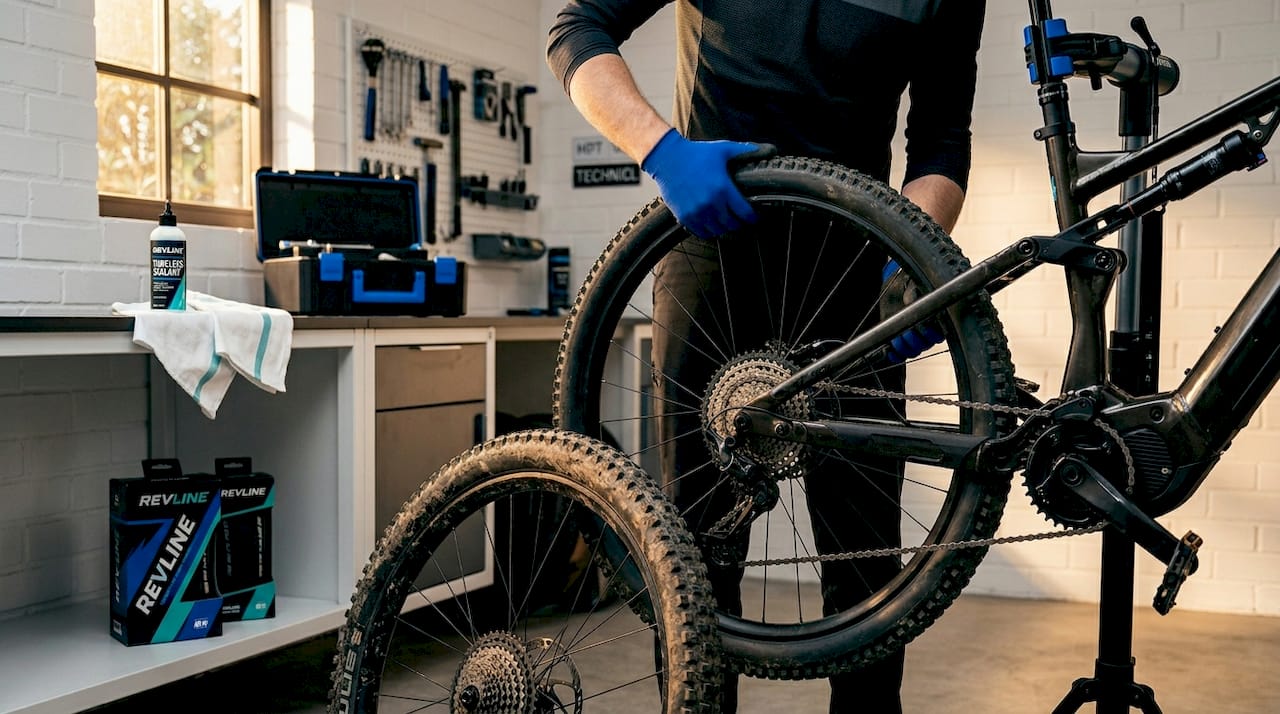
Tires and wheels: traction, durability, and custom sizing
Tires are the single most impactful physical mod you can make to an electric off-road bike. Nothing else changes the riding experience as immediately or as dramatically. Here is how the main options stack up:
- All-terrain tires: 80% of off-roaders run all-terrain tires because they balance dirt traction with acceptable highway comfort, making them the practical default for mixed-use riding.
- Mud-terrain tires: Superior in deep mud with aggressive tread blocks that self-clean well, but they increase road noise significantly and wear faster on hardpack.
- Larger diameter tires: Going bigger increases ground clearance and improves obstacle rollover, but may require suspension or body lifts for proper clearance.
- 16-inch rear wheels with 90/100 tires: For bikes like the Talaria, upgrading to a 16-inch rear wheel improves traction by over 50%, which is a massive real-world gain for the cost involved.
- Tire pressure management: Running around 15 psi on larger tires for trail use maximizes the contact patch without creating instability on climbs and descents.
Pro Tip: On electric bikes, rotational weight matters more than on heavier gas machines. Lighter aftermarket wheels reduce the energy draw from your battery on acceleration, which means more range and faster response from a smaller motor.
Understanding the full picture of custom electric wheels and reading up on Surron tire and wheel upgrades will help you pick a setup matched to your trails, not just one that looks good in photos.
With improved suspension and traction, protecting your bike’s underside takes priority, so let’s cover armor options.
Protection mods: skid plates, rock sliders, and recovery gear
Protection mods are unsexy. Nobody posts about their new skid plate on social media. But a single rock strike on an unprotected battery compartment can end your ride and your Talaria’s battery pack at the same time.
Key protection upgrades every off-road electric bike needs:
- Skid plates: Guard battery compartments, motor casings, and any exposed low-hanging hardware. Steel skid plates offer maximum durability for serious rocky terrain, while aluminum plates are lighter and handle most trail conditions effectively.
- Rock sliders: Shield your frame rails and side panels from ledge strikes and falls. They also function as solid jack points on technical terrain.
- Fender guards: Prevent mud and debris from packing into suspension components and reducing travel.
For recovery gear, sequence matters. Recovery gear must come before lifts if you ride remote terrain, because lifted bikes face greater risk of getting stuck without proper equipment to get unstuck.
Essential recovery kit for electric off-road bikes:
- Rated recovery straps with proper load ratings
- D-ring shackles attached to secure frame points
- Traction boards for sand or deep mud recovery
- Folding shovel for digging out buried tires
- Basic first aid kit and a charged emergency communication device
“Tires are the single biggest upgrade, but recovery gear must come before lifts to avoid being stranded on trails.”
Check out specific off-road bike protection tips for electric platform-specific recommendations that account for battery placement and motor exposure.
Finally, electronic and powertrain upgrades can dramatically boost performance for electric bikes.
Battery and controller upgrades for peak electric performance
This is where electric off-road vehicle modifications diverge most sharply from gas bike builds. Your motor’s output is gated by two things: battery voltage and controller software. Change either one and you change the entire character of the bike.
Key powertrain upgrade options:
- 60V to 72V battery upgrade: On Talaria models, a 72V battery upgrade enables top speeds over 60 mph with 60 to 70 km of range, paired with the right controller.
- Nucular P24F controller: This advanced controller pushes peak power output up to 27kW on upgraded builds, a massive jump from stock.
- Sine wave controllers: Deliver smoother, quieter power delivery compared to square wave units. Sine wave controllers improve torque feel and add regenerative braking capability on 60V bikes without needing a full voltage overhaul.
- Regenerative braking: Available through sine wave controllers, this feature partially recharges the battery under deceleration and extends brake pad life meaningfully.
- Motor matching: Upgrading controller and battery together without checking your motor’s rated current and thermal limits is how you cook components that cost more to replace than the upgrade itself.
Pro Tip: If budget forces a choice between controller and battery, do the controller first. A better controller unlocks more of your existing battery’s potential, smooths the power curve, and gives you a clearer picture of what your motor can actually handle before you spend more.
| Upgrade | Performance gain | Complexity | Best for |
|---|---|---|---|
| Sine wave controller | Smoother torque, regen braking | Low to medium | All riders on 60V |
| 72V battery only | Higher voltage, more range | Medium | Speed-focused riders |
| Full 72V conversion | Max speed and range | High | Advanced builds |
| Nucular P24F controller | Up to 27kW peak output | High | Performance builds |
For deeper guidance, electric motorcycle tuning covers the technical side of these upgrades in detail.
Having covered the main mod types, let’s compare them and help you decide what fits your electric off-road bike goals.
Comparing off-road mods: which ones fit your riding style?
Here is a side-by-side breakdown of the major off-road vehicle modifications and how they map to different rider profiles.
| Mod type | Best rider profile | Primary benefit | Key trade-off |
|---|---|---|---|
| Suspension lift | Adventure, rough terrain | Ground clearance, articulation | Cost, needs supporting mods |
| Tire and wheel upgrade | All riders, mixed terrain | Traction, obstacle rollover | Possible clearance mods needed |
| Protection mods | All off-road riders | Component longevity, safety | Weight addition |
| Controller upgrade | Performance, trail riders | Smooth power, regen braking | Requires motor compatibility check |
| Battery upgrade | Speed and range seekers | More power, longer range | High cost, complex install |
Matching mods to terrain and use case is the factor most riders underestimate. Rock crawling demands maximum articulation. Overland touring needs comfort and durability. Trail riding rewards traction and light weight above all.
Key recommendations by rider type:
- Trail riders: Tire and wheel upgrades plus a sine wave controller deliver the best improvement per dollar spent.
- Adventure tourers: Focus on 2 to 4 inch suspension, all-terrain tires, and solid protection before any powertrain changes.
- Speed seekers: Full 72V conversion with a matched controller and updated motor cooling is the path, but plan for a significant budget.
- All riders: Recovery gear and skid plates before anything else, no exceptions.
Stay current with where the sport is heading by following electric motorcycle trends 2026, which reveals how the aftermarket is evolving for these platforms.
Why the highest mods aren’t always best for electric off-road bikes
Here is something most off-road modification guides won’t tell you: the electric bike’s biggest advantage is exactly what aggressive modding tends to destroy. Surrons and Talarias are light, responsive, and easy to throw around. Stack on a maximum lift, oversized tires, and a 72V conversion without careful planning, and you end up with a bike that feels heavy, buzzy, and harder to recover from mistakes on technical terrain.
Overly aggressive lifts and 72V conversions often sacrifice that nimbleness and increase mechanical strain without proportional gains in real-world riding satisfaction. We have seen riders drop thousands on full conversions and then go back to their near-stock machines because the stock-adjacent setup was simply more fun to ride all day.
The smarter path is incremental. Fix your suspension tune before chasing lift height. Upgrade your controller before committing to a full battery swap. Add protection and recovery gear before either. Each step gives you real riding data about what the next upgrade should actually be, rather than what looks impressive in a spec sheet.
Knowing when to stop is a skill. The best builds we have seen are not the most extreme ones. They are the ones where every mod has a clear reason behind it and the rider still smiles without hesitation. Learn from DIY electric mod balance principles to keep your build purposeful instead of maxed out for its own sake.
Explore premium off-road mods for Surron and Talaria at Revline Mods
Ready to build smarter? Revline Mods carries a curated selection of aftermarket components designed specifically for Surron and Talaria platforms, tested to work with the unique demands of electric off-road riding. Every product aligns with the balanced build approach covered in this guide.
Start with the essentials: protect your suspension with the Talaria rear shock guard, upgrade your rolling stock with the 17-inch OEM Supermoto wheelset for a serious traction and handling boost, or refresh your Surron’s look and fender protection with Surron front fender upgrades. All parts are sourced for compatibility and built to last on real trails, not just for the spec sheet.
Frequently asked questions
What type of suspension lift is best for electric off-road bikes?
A 2 to 4 inch suspension lift is the most popular choice for adventure riding because it balances clearance, articulation, and ride quality without extreme supporting modifications. Supporting mods like upgraded control arms are still necessary to maintain alignment.
Are mud-terrain tires good for daily highway riding?
Mud-terrain tires provide excellent grip in deep mud but increase road noise significantly and wear faster on pavement, making them a poor choice if your daily route includes any meaningful highway distance.
Can I improve my Talaria’s performance without upgrading the battery?
Yes. Sine wave controllers deliver smoother power delivery, improved torque, and regenerative braking on an existing 60V battery, making them the highest-value upgrade for riders not ready for a full voltage conversion.
Why is recovery gear essential before installing lift kits?
Lifted bikes sit higher and create new angles that make getting stuck more likely on technical terrain. Recovery gear before lifts ensures you have the tools to get yourself out when the new geometry works against you in a tough spot.
How do I know which off-road mods fit my riding style?
Start by defining your terrain type and performance goals, then choose suspension and tires based on whether you prioritize articulation, comfort, or trail versatility, making sure each mod is compatible with your current motor and battery setup.